


As the nominees for The Game Awards (TGA) 2026 are about to be announced, one Chinese action game has become a name that the country’s gaming community can hardly ignore: Phantom Blade Zero.
In November, the game sold more than four million copies worldwide within just 72 hours of its release, while its peak concurrent player count on Steam exceeded 830,000. For an action game developed by a Chinese studio, these figures are certainly impressive.
But can strong sales and player enthusiasm translate into votes from TGA judges? And can Phantom Blade Zero earn international recognition for its combat mechanics and overall production quality? These are questions worth exploring ahead of the nominations.
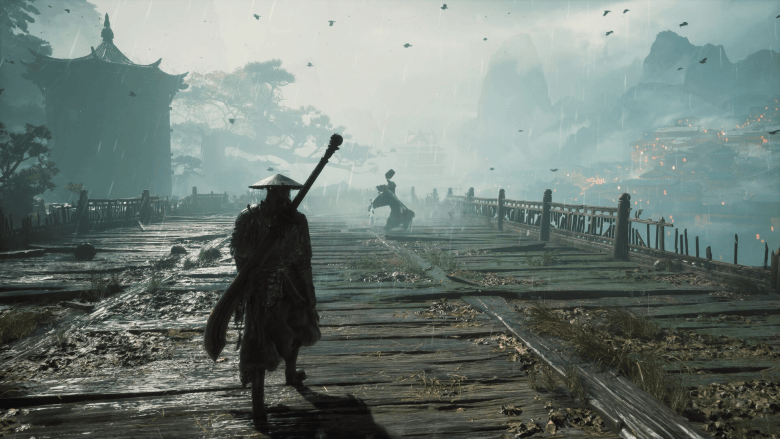
Strong sales and positive reviews give Phantom Blade Zero a competitive edge
First, let’s look at the game’s market performance. Phantom Blade Zero sold more than four million copies worldwide within 72 hours of its release, according to developer S-GAME. Estimates from market research firm Alinea Analytics put combined sales on Steam and PlayStation 5 at around 4.3 million copies in the first five days, generating around $223 million in revenue. These figures do not yet include potential sales from a future Xbox release.
Player engagement has also been impressive. The game reached a peak of more than 830,000 concurrent players on Steam, placing it among the platform’s most successful single-player game launches. It also topped Steam’s global best-seller chart on its first day.
With around 100,000 user reviews, its positive rating has climbed from below 80% shortly after launch to 94%, earning it a Very Positive rating on Steam.
Its overseas performance is particularly noteworthy. International markets accounted for around 55% of total revenue, despite contributing only about 45% of total sales. This suggests that overseas markets have become a significant revenue source rather than simply an extension of its domestic market.
Professional reviews have also been encouraging. The game received scores of 88 on OpenCritic and Metacritic. Together, these figures point to strong commercial performance and a positive reception among both players and critics, giving Phantom Blade Zero a solid foundation for competing in the Best Action Game category.
However, TGA is not simply a sales competition. Commercial success can raise a game’s international profile, but it does not automatically translate into recognition from the judging panel.
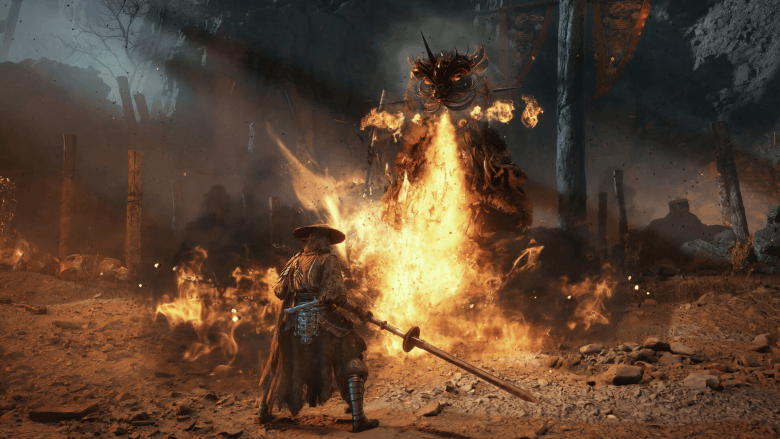
Best Action Game: what are the judges looking for?
Chinese games are no longer unfamiliar names at TGA. From Genshin Impact to Black Myth: Wukong, Chinese-developed titles have made their mark in categories such as Best Mobile Game and Game of the Year. Black Myth: Wukong, in particular, secured a Game of the Year nomination, demonstrating that Chinese AAA games can compete at the highest level of the global gaming industry.
For Phantom Blade Zero, Best Action Game is arguably the category in which it has the strongest chance of securing a nomination.
TGA’s voting process involves both a professional media jury and the public, with the jury holding the majority of the voting weight. This makes recognition from professional critics particularly important. Gameplay design, combat mechanics, artistic presentation and overall quality all play a role in determining whether a game stands out.
This is where Phantom Blade Zero has an opportunity to distinguish itself. Rather than relying heavily on open-world exploration or cinematic storytelling, the game puts fast-paced combat, responsive controls and intricate move design at the center of its experience. Its distinctive Eastern martial arts aesthetic, combined with a specialized combat system, gives it a recognizable identity in the global action game market.
Still, impressive visuals and cinematic combat sequences alone may not be enough. The depth of the combat system, the precision of the controls and the ability of the level design to keep players engaged will all influence how professional judges evaluate the game.
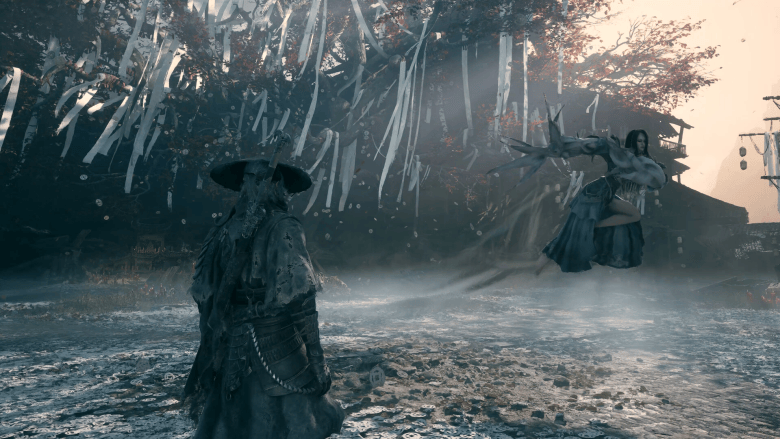
Tough competition awaits Phantom Blade Zero in the Best Action Game category
Beyond the game’s own merits, the strength of this year’s competition will also affect its chances of securing a nomination.
The 2026 gaming calendar has featured several high-profile action titles, including Capcom’s Onimusha: Way of the Sword and Resident Evil Requiem, Insomniac Games’ Marvel’s Wolverine, and Pearl Abyss’ Crimson Desert. These games offer different approaches to combat, from fast-paced swordplay and close-quarter fighting to large-scale battles and cinematic action sequences, making the race for Best Action Game particularly competitive.
Another factor worth watching is the response from international gaming media. Reviews published so far have been largely positive about Phantom Blade Zero’s combat design. IGN gave the game a score of 90, while PC Gamer also rated it 90, praising its departure from some of the conventions of traditional Soulslike games. Both highlighted its diverse weapon system and visually striking boss fights as key elements of its appeal.
TechRadar also praised the game’s combat system, weapon variety and animation. However, not all aspects received equally positive feedback. Some international reviewers pointed to shortcomings in the narrative, character development and level design. Eurogamer’s score of 60 further highlights the differences in how critics have assessed the game as a whole.
These mixed reviews suggest that while Phantom Blade Zero has established a strong identity through its wuxia-inspired combat and boss encounters, its overall execution may not appeal to every critic. Whether its strengths outweigh these shortcomings will be an important factor in its nomination prospects.
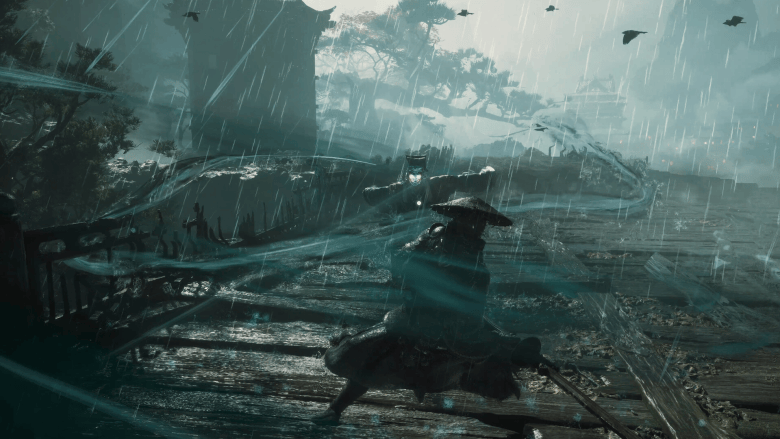
Can Chinese action games take another step forward?
Phantom Blade Zero is undoubtedly one of the Chinese titles worth watching most closely at TGA 2026. Its commercial success and positive reception from many international reviewers have put it in a strong position to compete for a Best Action Game nomination.
Ultimately, its chances will depend on how professional critics assess its overall quality and how it measures up against other contenders. Rather than predicting a win at this stage, securing a nomination would already be a meaningful achievement.
Such recognition would not only be a significant progress for its development team but could also raise the international profile of Chinese action games.
At this year’s TGA, the question is not simply whether Phantom Blade Zero can take home an award, but how much further Chinese-developed games can go on one of the industry’s biggest global stages.
